The People
The people who lived at Poverty Point left behind no written records of their daily lives. Yet through the evidence they did leave, we know that this remarkable site served as both a ceremonial center—home to hundreds, perhaps thousands—and a thriving trade hub unlike any other in North America at the time.
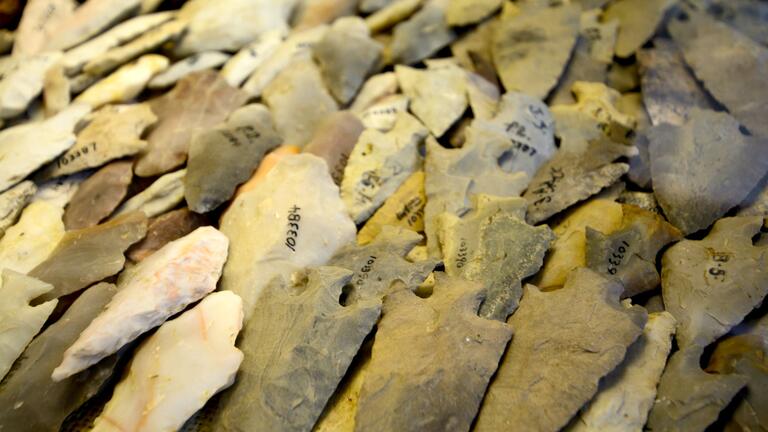
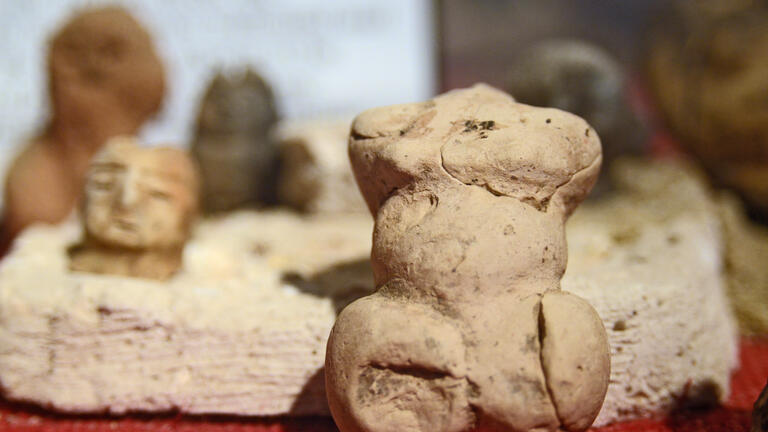
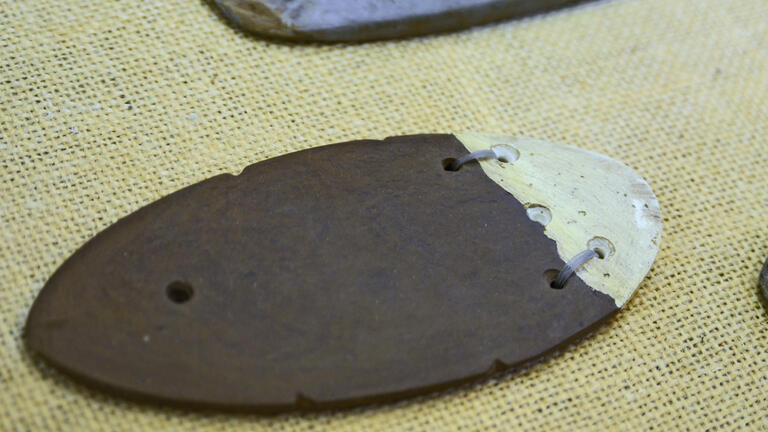
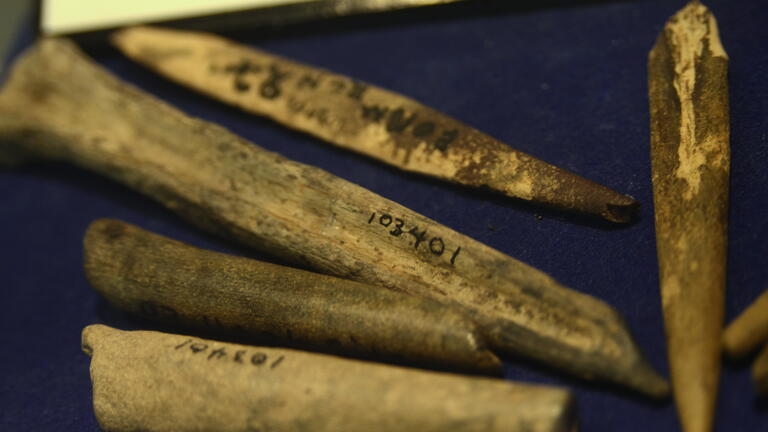
Archaeologists have pieced together the story of these people through the materials they left behind—artifacts and archaeological features—and through what they did not leave behind, such as burials and traces of cultivated crops.
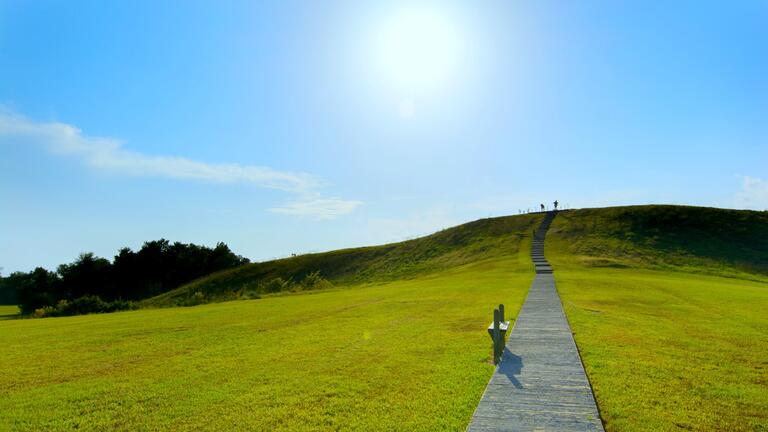
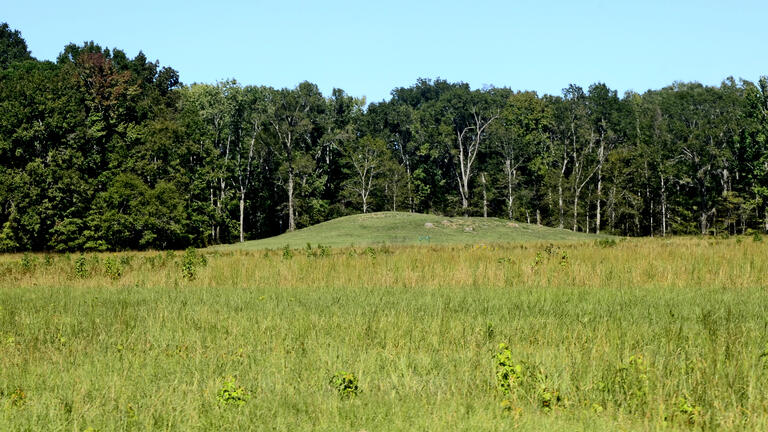
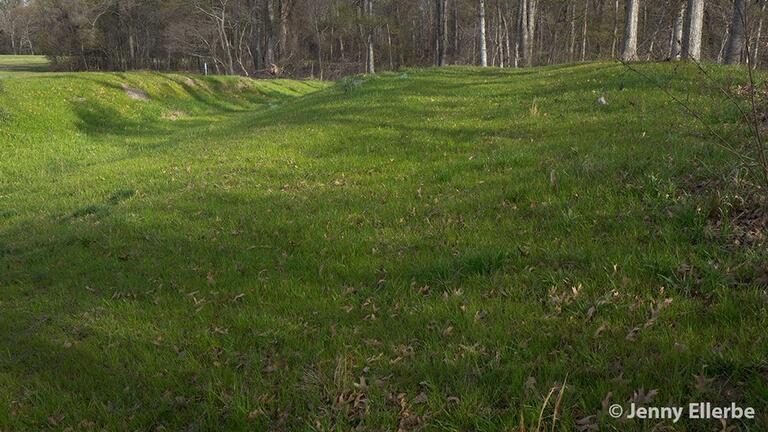
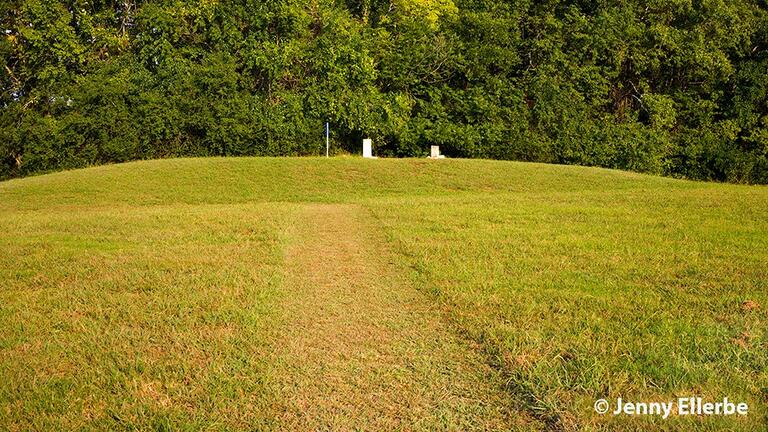
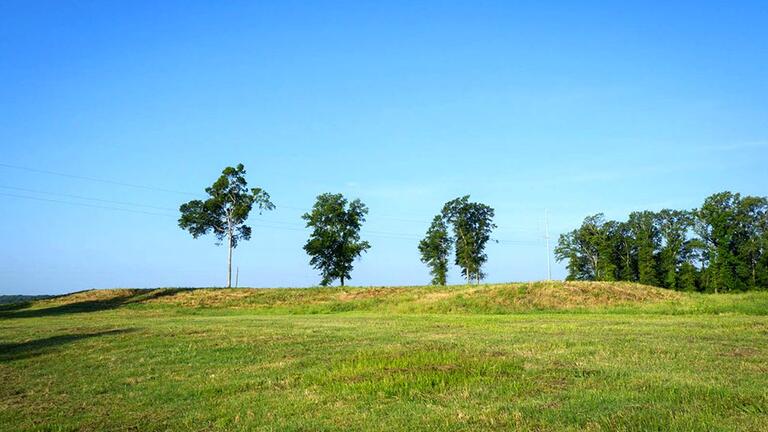
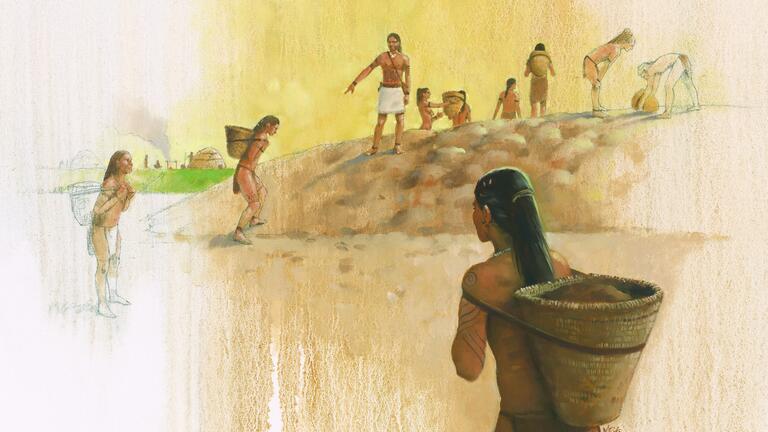
Burial mounds were common throughout the southeastern and central United States, but Poverty Point contains no human remains. This absence suggests that the monumental earthworks, painstakingly built by hand, served purposes other than burial.
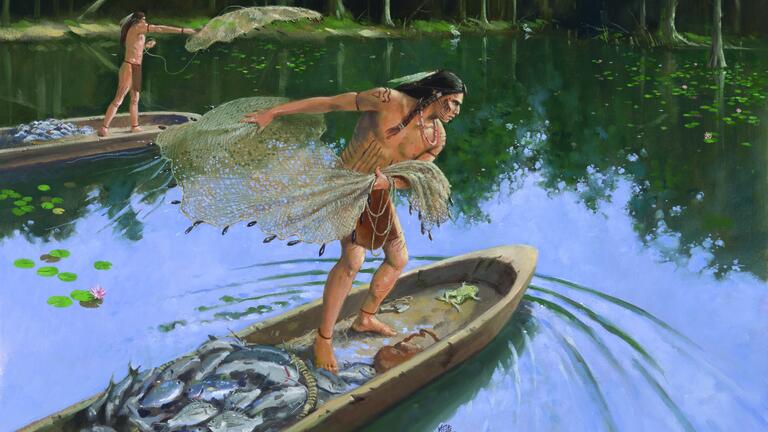
Equally curious is the lack of domesticated plant remains. Instead, archaeologists have found evidence of nuts, persimmons and grapes—foods naturally abundant in the Lower Mississippi Valley, one of North America’s most fertile regions. Combined with fish, deer and other wild game, these resources provided more than enough for survival. Foraging, it seems, was at the heart of Poverty Point life.
So was trade, with Poverty Point once at the center of a vast exchange network. More than 78 tons of rocks and minerals—materials essential for crafting tools, weapons and ceremonial objects but none native to the area—were brought from as far as 800 miles away. Such extensive trade would have required the cooperation of distant travelers or local traders navigating rivers by boat.
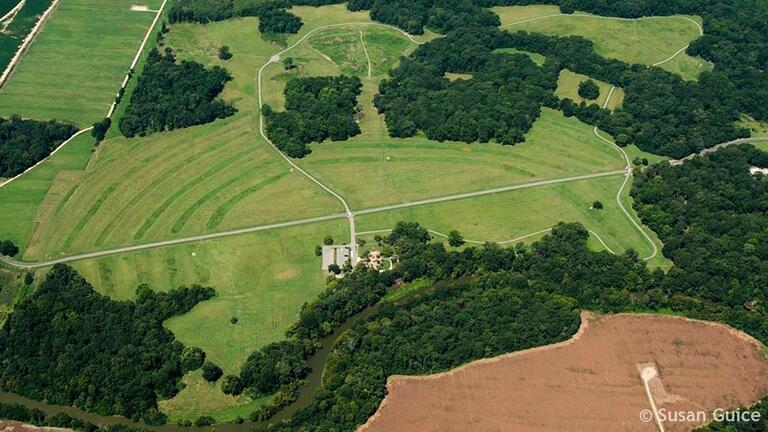
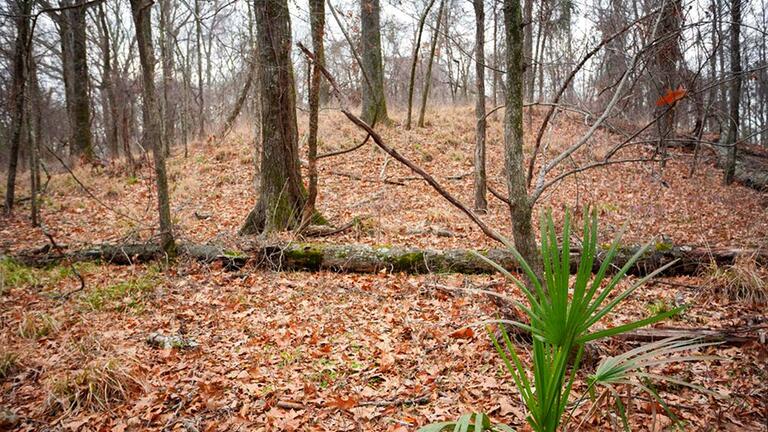
We also gain insight into Poverty Point society by studying where its people lived. Overlooking a bayou, the community likely depended heavily on the river. Animal and plant remains confirm a diet rich in fish, alligators, frogs, turtles, deer, hickory nuts, fruits and other wild foods.
The reasons Poverty Point was eventually abandoned remain a mystery. Around 700 A.D., another American Indian group briefly reoccupied a small portion of the site, but for the most part, it lay silent until its rediscovery in the 1800s.